

Hair Loss Q&A
What causes hair loss?
Hair loss can occur for many reasons, and it affects both men and women. One of the most common causes is genetics — a condition known as androgenetic alopecia, or male/female pattern baldness. This form of hair loss typically develops slowly and follows a recognizable pattern.
Other causes include hormonal changes (such as pregnancy, menopause, or thyroid disorders), medical conditions like autoimmune diseases (e.g., alopecia areata), scalp infections, or underlying illnesses.
Medications, including those used for cancer, high blood pressure, depression, and arthritis, can also contribute to thinning hair or hair loss. In addition, physical or emotional stress, poor nutrition, and tight hairstyles (like braids or ponytails) that pull on the scalp can trigger or worsen hair loss.
Can hair loss be prevented?
Some types of hair loss may be prevented or minimized by taking specific steps. While you can’t stop genetic hair loss, you can support healthy growth through good hair care habits and lifestyle choices. These include:
- Eating a well-balanced diet rich in protein, vitamins, and minerals
- Avoiding wearing your hair in tight hairstyles that put strain on the hair follicles
- Reducing heat styling, chemical treatments, and over-brushing
- Managing stress through relaxation techniques or therapy
- Treating underlying medical conditions early
Prevention may not always be possible for hair loss caused by medication or illness, but catching it early can lead to better treatment outcomes.
How is hair loss treated?
Treatment for hair loss depends on the cause and severity. For genetic hair loss, FDA-approved treatments like minoxidil (Rogaine®) and finasteride (Propecia®) can slow down hair thinning and, in some cases, promote regrowth.
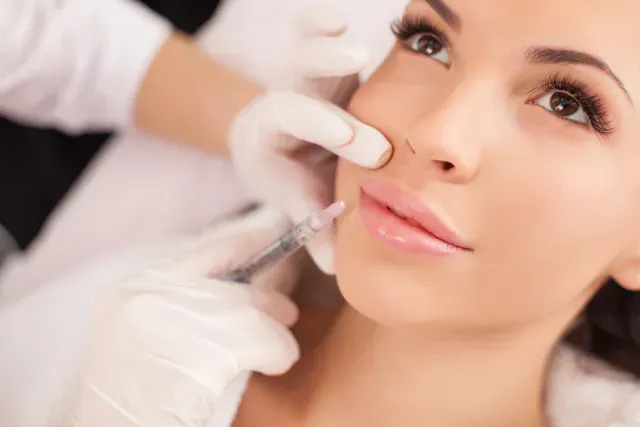
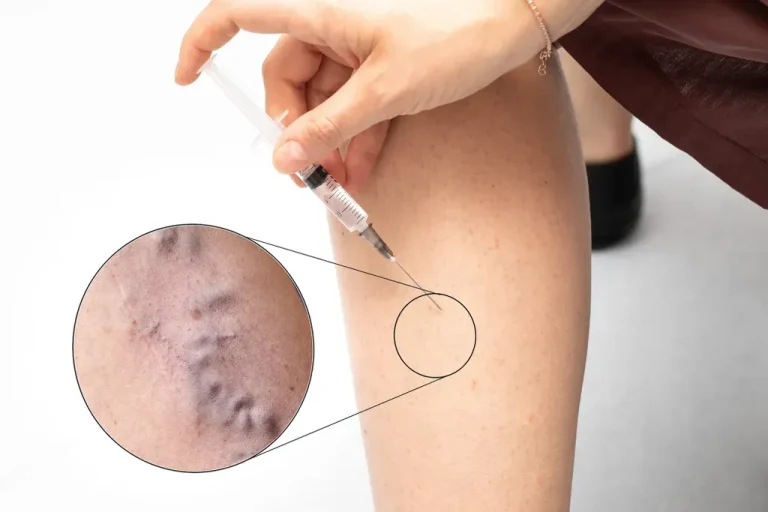
Platelet-rich plasma (PRP) therapy injects concentrated platelets, derived from your blood, into your scalp to stimulate hair follicles. Other options include low-level laser therapy, microneedling, and nutritional supplements if your provider discovers deficiencies.
In cases of significant hair loss, you may want to consider hair transplant surgery. If an underlying health condition is causing your hair loss, treating that condition by balancing hormones or addressing autoimmune issues can help restore hair growth.
At Dermatology of Glens Falls, your practitioner can identify the root cause of your issue and provide effective treatment to give you natural-looking hair.
Book an appointment at Dermatology of Glens Falls today to learn about hair loss restoration. Call or use the online scheduler today.